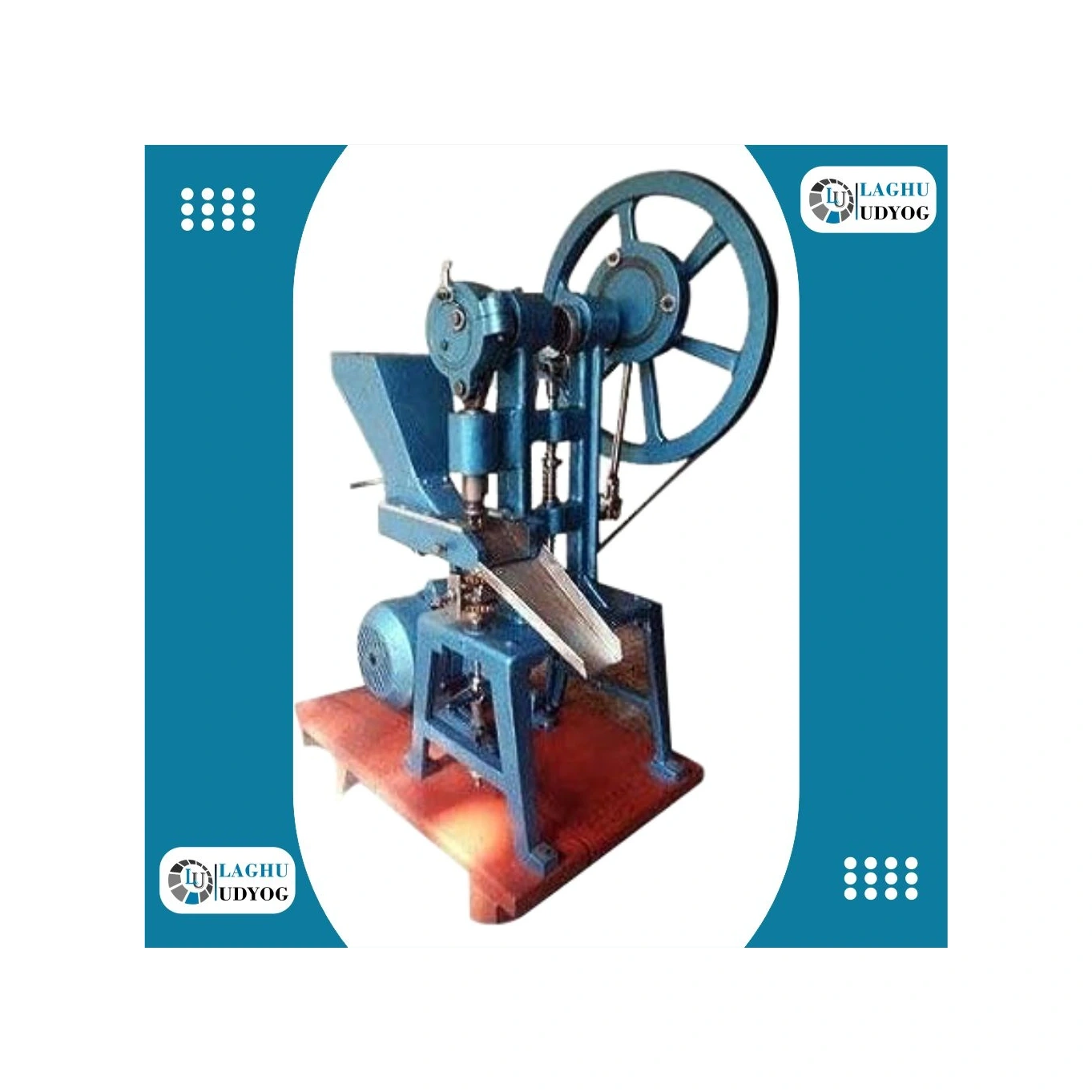
Camphor making business presents an excellent opportunity for entrepreneurs looking to enter the fast-moving consumer goods (FMCG) sector in India. Camphor, known as Kapur in Hindi, has been an integral part of Indian religious practices, traditional medicine, and household use for centuries. The demand for camphor tablets and products is driven by temples, pujas, aarti ceremonies, meditation practices, medicinal applications, and even as a moth repellent. With relatively low investment and high profit margins, camphor manufacturing is an attractive business venture that can generate consistent returns year-round.
Understanding Camphor Demand in India
India is one of the largest consumers of camphor in the world. The product finds extensive use in Hindu religious ceremonies, which take place daily in millions of homes and thousands of temples across the country. During festivals like Diwali, Navratri, Karva Chauth, and other auspicious occasions, the demand for camphor spikes significantly, creating seasonal peaks in sales. Beyond religious use, camphor is used in traditional Ayurvedic medicines, balms, and ointments for its therapeutic properties. It is also used in household pest control and as a fragrance enhancer. The combined effect of these diverse applications ensures that camphor maintains steady demand throughout the year, making it a reliable product for manufacturing businesses.
Investment and Machinery
Starting a camphor making business requires a modest investment compared to many other manufacturing ventures. The primary equipment needed is a camphor tablet making machine, also known as a camphor press machine. Manual camphor making machines are available for Rs. 50,000 to Rs. 1,00,000, suitable for small-scale production of 20-50 kg per day. Semi-automatic machines with higher output capacity of 50-100 kg per day cost between Rs. 1,50,000 to Rs. 3,00,000. Fully automatic camphor tablet making machines with precision molding and packaging capabilities range from Rs. 3,00,000 to Rs. 6,00,000. The total setup cost including machinery, raw material stock for one month, workspace rental, and working capital comes to approximately Rs. 1,50,000 to Rs. 7,00,000 depending on the scale you choose to operate.
Raw Materials and Their Sourcing
The primary raw material for making camphor tablets is synthetic camphor, which is manufactured by sublimating naphthalene or refining turpentine oil. Synthetic camphor powder is white, crystalline, and inflammable, and is available from chemical suppliers and wholesale markets. The cost of synthetic camphor ranges from Rs. 60-100 per kg depending on quality and purchase quantity. Binding agents like gum acacia, potato starch, or dextrin are mixed with camphor powder to form tablets that hold their shape. White stone powder or calcium carbonate serves as a filler material to achieve the desired tablet weight and consistency. Essential oils like eucalyptus or menthol can be added for fragrance enhancement. Packaging materials include printed cardboard boxes in various sizes, inner poly bags, labels, and cartons for bulk packaging. All raw materials are readily available from domestic suppliers, and establishing long-term purchase agreements helps in securing better pricing.
Production Process and Quality
The camphor tablet manufacturing process begins with precise weighing and mixing of raw materials. The synthetic camphor powder is blended with binding agents and fillers in specific proportions to ensure proper tablet formation and burning characteristics. The mixture is then fed into the camphor tablet making machine where hydraulic or mechanical pressure molds it into tablets of uniform size and weight. Common tablet sizes range from 1 gram to 10 grams, with the 5-gram tablets being the most popular for religious use. The formed tablets are dried to remove excess moisture and then inspected for quality parameters including shape, weight, hardness, and fragrance. Quality tablets should burn completely without leaving residue and should produce the characteristic white smoke and aroma. Finished tablets are packed in moisture-proof packaging to preserve their freshness and prevent sublimation during storage.
Brand Building and Packaging
Branding plays a crucial role in the camphor business because consumers associate certain brands with quality and purity. Developing an attractive brand name and packaging design helps in differentiating your products from competitors. Common packaging sizes include 50 gram, 100 gram, 250 gram, and 500 gram boxes for retail sale, along with bulk packaging for temple and institutional buyers. Packaging should prominently display the brand name, weight, manufacturing date, and FSSAI or relevant certification if applicable. Using eco-friendly packaging materials appeals to environmentally conscious consumers. High-quality printing with vibrant colors and religious imagery resonates with the target customer base. Investing in professional packaging design and consistent branding builds customer recognition and loyalty over time.
Sales Channels and Distribution
Camphor products can be sold through multiple distribution channels. Local religious item shops, puja stores, and general stores are primary retail outlets. Temples, ashrams, and religious institutions are major bulk buyers who purchase camphor in large quantities regularly. Wholesale distributors who supply to retail shops across cities and states provide wide market coverage. Online platforms like Amazon, Flipkart, IndiaMART, and dedicated puja item websites offer opportunities to reach customers nationwide. Participating in religious fairs, exhibitions, and temple festivals helps in building direct relationships with customers and institutional buyers. Creating your own website with e-commerce capabilities allows direct sales with higher profit margins. Establishing a network of sub-distributors in different regions ensures consistent sales volume and market presence.
Profit Analysis and Financial Planning
The camphor making business offers some of the highest profit margins in the small manufacturing sector. A detailed profit analysis reveals compelling numbers. The production cost per kilogram of camphor tablets, including raw materials, electricity, labor, and packaging, ranges from Rs. 80 to Rs. 120. The wholesale selling price is Rs. 150-200 per kg, while retail selling price ranges from Rs. 200-350 per kg. This translates to a gross profit margin of 50% to 70%, which is exceptional for any manufacturing business. A machine producing 50 kg per day generates daily revenue of Rs. 7,500-10,000 at wholesale prices against production costs of Rs. 4,000-6,000, yielding a daily profit of Rs. 3,500-5,000. Monthly profits of Rs. 70,000 to Rs. 1,20,000 are achievable from a medium-scale operation. During festival seasons, demand increases three to five times, resulting in significantly higher profits during those peak months.
Regulatory Compliance and Certifications
Operating a camphor manufacturing business requires compliance with certain regulations. Obtaining an Udyam registration (MSME) provides benefits like subsidized loans and tax advantages. GST registration is mandatory for selling camphor products. While camphor manufacturing does not typically require pollution clearance for small-scale operations, it is advisable to check with local authorities regarding any specific requirements. FSSAI license may be needed if camphor is marketed for medicinal or edible applications. Keeping proper accounts and maintaining records of raw material purchases, production quantities, and sales is essential for regulatory compliance and business management. Quality certifications from recognized testing laboratories add credibility to your products and help in securing larger contracts.
Seasonal Demand and Business Planning
Understanding the seasonal nature of camphor demand helps in effective business planning. Regular demand is maintained through daily religious practices and medicinal use, providing a baseline sales volume throughout the year. Festival seasons including Navratri, Diwali, Karva Chauth, and other major Hindu festivals witness a significant surge in camphor purchases. Planning production and inventory buildup before festival seasons ensures you can meet the increased demand. Building relationships with retailers and institutional buyers before peak seasons through advance bookings secures guaranteed orders. Managing cash flow to accommodate higher raw material purchases before festival seasons is important for capitalizing on peak demand periods. Some manufacturers also offer special festive packaging and gift sets during these periods at premium prices.
Frequently Asked Questions
The investment for camphor making business ranges from Rs. 1,00,000 to Rs. 5,00,000 depending on the scale of operations. A basic manual camphor tablet making machine costs around Rs. 50,000 to Rs. 1,00,000, while automatic machines with higher production capacity cost Rs. 2,00,000 to Rs. 5,00,000. Additional investment includes raw materials, workspace, packaging materials, and working capital for initial months.
The primary raw material for camphor tablets is synthetic camphor powder, also known as refined naphthalene or sublimed camphor. You will also need binding agents like gum arabic or starch, white stone powder for filling, and essential oils for fragrance if needed. Packaging materials include printed boxes, labels, and poly bags. All raw materials are readily available from chemical suppliers and wholesale markets across India.
Camphor making business offers attractive profit margins of 50% to 70%. The production cost per kg of camphor tablets is approximately Rs. 80-120, while the selling price ranges from Rs. 150-300 per kg depending on quality and packaging. A machine producing 50-100 kg per day can generate Rs. 30,000 to Rs. 80,000 monthly profit. The demand for camphor is consistent across religious, medical, and household uses throughout the year.
Product Price & Details
Camphor Tablet Making Machine
Price: ₹40,000* (Ex-works, GST extra)
SKU: BLOG-OT-004
Brand: Laghu Udyog India | Warranty: 1 Year
Related Products
Camphor tablet making machine price starts from Rs 40,000*. This is a profitable low investment business idea with growing demand.